
TL;DR: Original Medicare (Part B) rarely pays for routine rides to dialysis. Coverage usually comes through a Medicare Advantage plan or, for those who qualify, North Carolina Medicaid. The rules hinge on one phrase: medical necessity.
Three times a week, every week, with no end date. Dialysis is one of the most transportation-dependent treatments in medicine, and a missed session is not a rescheduled appointment—it is a health emergency. Yet the question of who pays for the ride is genuinely confusing, because the answer changes depending on which "Medicare" you actually have. This guide separates the programs and answers the questions Charlotte-area patients and caregivers ask most.
Does Medicare cover transportation to dialysis?
Not in the way most people hope. Original Medicare (Parts A and B) does not pay for routine, non-emergency rides to and from a dialysis center. Driving to a standing dialysis appointment by car, taxi, rideshare, or scheduled medical van is considered a personal expense under Original Medicare, even though the treatment itself is covered.
Original Medicare will only cover ambulance transportation, and only when other forms of travel could endanger your health—for example, if you must remain immobilized or monitored en route. That is a high bar, and it is not how the vast majority of dialysis patients travel. For the day-to-day reality of getting to a chair three times a week, you generally need to look beyond Original Medicare. The official guidance from Medicare.org on dialysis transportation reflects this same distinction.
The medical-necessity test in plain terms: Medicare draws a line between "you need this ride" and "your medical condition makes any other ride unsafe." Routine dialysis trips fall on the wrong side of that line for ambulance coverage. They are medically important but not medically necessary in the narrow way Medicare defines an ambulance.
Does Medicare Part B cover rides to dialysis?
Part B is the part of Original Medicare that covers outpatient services, including the dialysis treatment itself—so it is a reasonable place to expect ride coverage. But Part B only covers transportation by ambulance, and only when medically necessary. A scheduled wheelchair van or sedan to a routine session is not an ambulance and is not covered by Part B.
There is one practical exception worth knowing. If your physician certifies that you require ambulance-level transport because of a specific medical condition—and signs the necessary documentation—Part B may cover repetitive, scheduled non-emergency ambulance trips. This applies to a small minority of patients with serious mobility or monitoring needs, not to the typical dialysis rider who simply lacks a car.

Does Medicare Advantage cover dialysis transportation?
Frequently, yes—and this is the single most important distinction in this entire topic. Medicare Advantage (Part C) plans are private plans that often include non-emergency medical transportation (NEMT) as a supplemental benefit. Many plans offer a set number of one-way trips per year to plan-approved medical destinations, and dialysis is among the most common covered purposes.
Because every Advantage plan is different, the details vary: some cap the number of trips, some require booking through a specific transportation broker, and some limit mileage or service area. Call the member-services number on your insurance card and ask three precise questions: Does my plan include routine transportation to dialysis? How many trips per year? And do I have to use a designated provider, or can I choose my own?
The phrase that determines your coverage is not "dialysis"—it is "which Medicare do I have."
Is dialysis transport covered by Medicaid in North Carolina?
Yes. North Carolina Medicaid covers non-emergency medical transportation for eligible beneficiaries, and dialysis is a clearly qualifying, recurring medical need. NEMT is a mandatory Medicaid benefit, which makes Medicaid the most reliable transportation coverage for patients who qualify financially.
In North Carolina, NEMT is generally arranged through your local county Department of Social Services or your managed-care health plan. Mecklenburg County residents typically coordinate rides through their plan or the county DSS, which authorizes trips to the nearest appropriate dialysis facility. If you have both Medicare and Medicaid—a status known as "dual eligible"—Medicaid usually becomes your practical source of covered dialysis rides, since Original Medicare will not pay for them.
Is dialysis transport covered by insurance other than Medicare?
It can be. Some commercial and employer health plans include NEMT benefits, and some kidney-care nonprofits and dialysis providers maintain transportation-assistance programs. Coverage is far less standardized than it is under Medicaid, so the answer depends entirely on your specific policy. Your dialysis center's social worker is an underused resource here—part of their job is connecting patients to ride benefits and assistance funds, and they often know which local programs have open capacity.
How do I get to dialysis if I have no car?
Losing the ability to drive does not mean losing access to treatment. Depending on your coverage and mobility, the practical options in the Charlotte metro include:
- A plan-covered NEMT benefit through Medicare Advantage or North Carolina Medicaid, scheduled in advance.
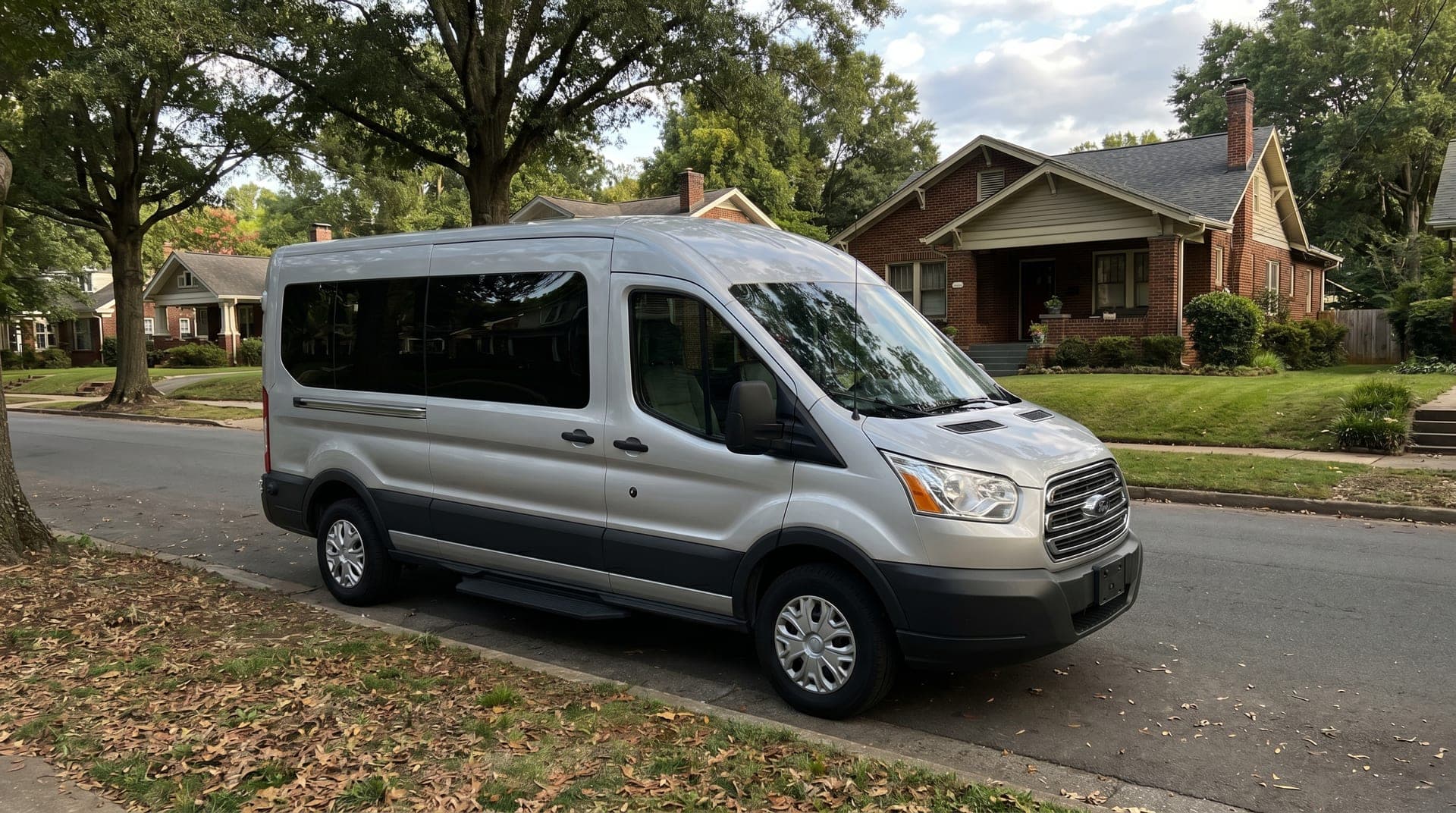
- A scheduled NEMT provider such as ProVital Transit's dialysis transportation service, which is built specifically around the recurring three-times-a-week rhythm of treatment and wheelchair-accessible needs.
- County and transit options for ambulatory patients who can manage public or paratransit travel.
- Self-pay when no benefit applies, often the bridge while a Medicaid or Advantage benefit is being verified.
Because dialysis is recurring, the smartest move is to set up a repeating booking rather than scheduling each ride individually. We cover exactly how to do that in The Standing-Order Guide for Dialysis Rides, which walks through arranging a standing order so your transportation is locked in for every session.
NEMT is for non-emergency travel only. If you experience a medical emergency—severe chest pain, difficulty breathing, signs of a stroke, or a serious access-site complication—call 911. Do not wait for a scheduled van.
Which option should I actually use?
Start by identifying your coverage, because that decides nearly everything:
| If you have… | Routine dialysis rides are… | Where to arrange them |
|---|---|---|
| Original Medicare only (Part A/B) | Not covered (ambulance only, if medically necessary) | Self-pay or assistance programs |
| Medicare Advantage (Part C) | Often covered as a supplemental benefit | Plan member services / plan's transportation broker |
| North Carolina Medicaid | Covered (NEMT is a required benefit) | County DSS or managed-care plan |
| Dual eligible (Medicare + Medicaid) | Covered through Medicaid | County DSS or managed-care plan |
The confusion around dialysis transportation almost always comes from collapsing three different programs into one word. Original Medicare generally will not pay for the ride; Medicare Advantage often will; and North Carolina Medicaid reliably does for those who qualify. Once you know which one you carry, the path to a dependable ride gets much shorter. If you are coordinating treatment in Charlotte, NC and want help setting up consistent, wheelchair-accessible dialysis transport, ProVital Transit can verify how your benefit applies and build a schedule around your treatment calendar.