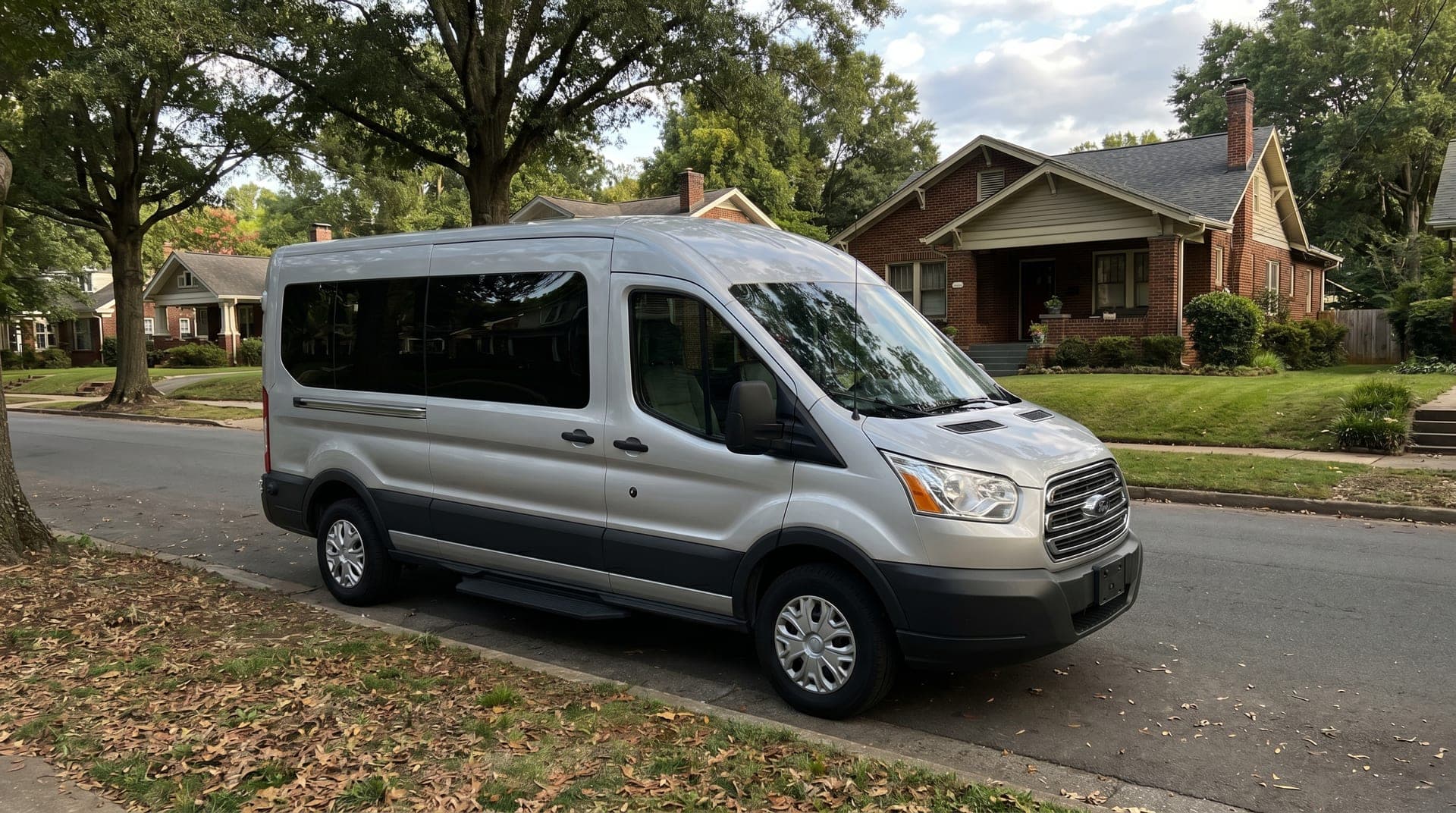

On July 1, 2025, North Carolina suspended its Healthy Opportunities Pilots (HOP) after the program ran out of authorized funding for the state fiscal year. For Medicaid enrollees in the Charlotte metro who had been getting help with rides to medical appointments through HOP, the practical effect was immediate: a service many people had built their care routines around stopped paying for new deliveries. If that includes you or someone you support, the questions are urgent and concrete: was this a permanent cut, does it affect the rides I still need, and what do I do for my next appointment?
This explainer walks through three things in order: what actually changed, why it affects your transportation specifically, and what to do next.
What changed
The Healthy Opportunities Pilots were a first-in-the-nation Medicaid program that paid for non-medical, health-related services, food, housing support, interpersonal safety, and transportation, for eligible enrollees in three regions of the state. The premise was straightforward and well documented: the conditions of a person's life shape their health outcomes, and addressing those conditions can reduce costly downstream care. You can read the state's own overview of the program on the NCDHHS Healthy Opportunities Pilots page.
The pause was a budget event, not a finding that the program failed. As policy analysts at the Milbank Memorial Fund documented in their analysis of HOP's future, the suspension stemmed from the state's budget situation and the absence of appropriated funding to continue services into the new fiscal year, rather than from a decision that the model did not work.
Important: A pause on HOP-funded rides does not change emergency care. If you are facing a medical emergency, call 911. HOP transportation, like all of ProVital Transit's services, covers non-emergency medical trips, scheduled visits, dialysis, follow-ups, and similar appointments, not ambulance-level emergencies.
A short timeline
- 2019: North Carolina receives federal approval for the Healthy Opportunities Pilots, the first program of its kind to use Medicaid funds for non-medical drivers of health, including transportation.
- 2022: Pilot services, including rides to and from care, begin delivering in the program's regions.
- Spring 2025: Funding uncertainty grows as the state budget process leaves continued HOP appropriations unresolved.
- July 1, 2025: With no authorized funding for the new state fiscal year, NCDHHS pauses HOP service delivery, transportation included.
Why it affects your rides
When HOP paid for a non-emergency medical ride, the cost did not land on the enrollee. The program reimbursed network providers for delivering the service. When the funding stopped, that reimbursement stopped, which means rides that were previously arranged and paid for through HOP are no longer being authorized as new HOP-funded trips. The need did not disappear; the payment mechanism did.
This matters because, for many people, the ride is not a convenience, it is the difference between keeping a dialysis schedule and missing it, between picking up a prescription and going without. We have written before about why transportation is a health issue, not just a ride, and the HOP pause is a real-world illustration: remove the ride, and the care plan starts to fall apart even when nothing about the patient's medical condition has changed.

It is worth being precise about scope. The HOP pause is specific to HOP-funded services. It does not eliminate other transportation benefits you may be entitled to, and it does not change the underlying fact that your appointments still need to happen. The task now is to find the path that still works for you.
What to do next
If your rides were arranged through HOP, here is a practical sequence to follow.
1. Contact your care manager or health plan first
Your Medicaid managed care plan or care manager is the right starting point. Ask two specific questions: whether you qualify for non-emergency medical transportation (NEMT) as a standard Medicaid benefit, which is a separate, ongoing benefit from HOP, and what the current status of HOP is for your region. Standard Medicaid NEMT did not pause on July 1, 2025; it is administered separately, and many people who used HOP rides may be eligible for it.
2. Confirm what your appointment type requires
Different trips call for different levels of service. A routine office visit may only need ambulatory transportation, while a patient who uses a wheelchair will need a vehicle equipped for it. Knowing which you need helps your plan, or a provider like ProVital Transit, match you to the right ride quickly.
3. Line up a private or alternative option for gaps
If a benefit decision will take time and you have an appointment that cannot wait, arrange a ride directly so you do not miss care. ProVital Transit serves the Charlotte NC metro and can coordinate non-emergency trips while you sort out your coverage. Our guide on when your insurance ride runs out and what to do next covers these stopgap options in more detail.
The HOP funding pause changed how rides are paid for, not whether your appointments still matter. The next step is finding the path that still works.
Keep records. Note your appointment dates, the rides you needed, and any costs you covered out of pocket during the pause. If HOP funding is restored or you are found eligible for another benefit, clear documentation makes it far easier to get the help you are owed.
Where this is heading
The pause is significant, but the program's underlying record drew national attention precisely because the model showed promise. Whether and how HOP transportation resumes will depend on future state budget decisions. For now, the responsible move is not to wait passively, it is to confirm your standard NEMT eligibility, understand exactly what each appointment requires, and keep your care on schedule with whatever option is available to you today. If you are in the Charlotte area and unsure how to bridge the gap, reach out and we will help you map it out.